19 May 1979
Kyprianou and Denktaş Ten Point Agreement
Kyprianou and Denktaş agree ten points to restart talks, reaffirming the 1977 guidelines and giving priority to the resettlement of Varosha.
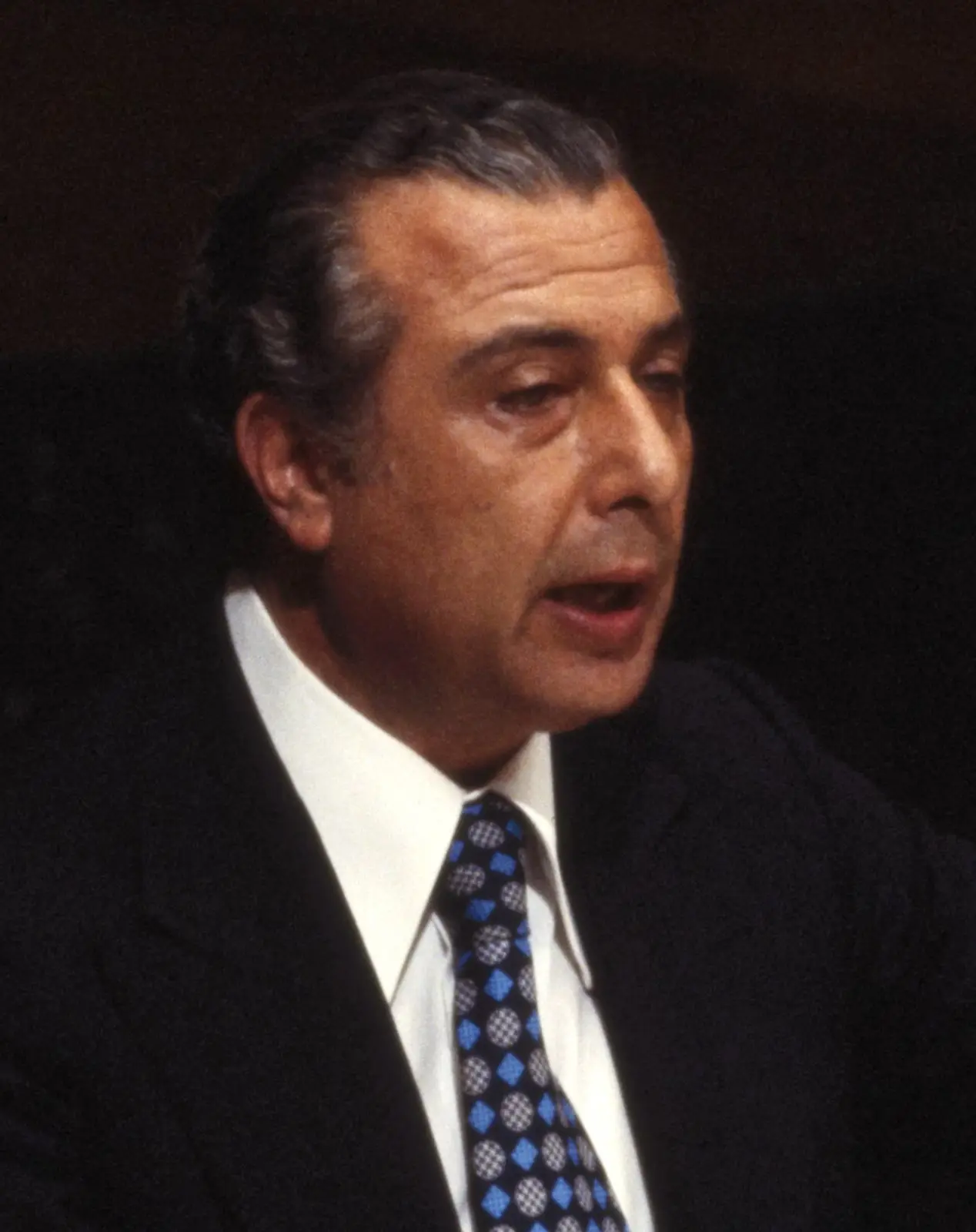
After the death of Archbishop Makarios in August 1977, the talks drifted. New Turkish Cypriot proposals in April 1978 were rejected by the Greek Cypriot side, and later that year a twelve point plan put forward by the United States, Britain and Canada was turned down by both communities. President Spyros Kyprianou, still establishing his authority, eventually agreed to meet Rauf Denktaş again.
The two leaders met on 18 and 19 May 1979 under the auspices of UN Secretary General Kurt Waldheim. They came away with a ten point agreement. Talks between the communities would resume on 15 June 1979, based on the Makarios and Denktaş guidelines of 1977 and the relevant UN resolutions. Human rights and fundamental freedoms of all citizens were to be respected, and the talks would cover all territorial and constitutional aspects.
The fifth point carried the most practical weight. Priority would be given to reaching agreement on the resettlement of Varosha, the modern quarter of Famagusta (Gazimağusa), under UN auspices, and that agreement would be carried out as soon as it was reached, without waiting for the rest of the settlement. The remaining points committed both sides to avoid actions that could jeopardise the talks, envisaged the demilitarisation of the Republic of Cyprus, and said its independence, sovereignty, territorial integrity and non alignment should be guaranteed against union with any other country and against partition or secession. Talks were to be continuous and held in Nicosia.
The momentum did not last. The negotiators met in June, but the talks stalled almost at once over how far Varosha should come first, and they were suspended until August 1980. The Library of Congress study of the period describes the ten points as a tactical step to keep talks alive rather than a solution to any substantive issue.
Even so, the 1977 and 1979 texts became the skeleton on which later plans were built. The second agreement added a commitment to human rights, which mattered to Greek Cypriots concerned about movement, settlement and property, while the federal basis reflected a Turkish Cypriot demand. Varosha has stayed at the centre of the dispute ever since.
Sources and further reading
- Republic of Türkiye Ministry of Foreign Affairs: Ten Point Agreement of 19 May 1979
- Republic of Cyprus Press and Information Office: The 10 point agreement of 19 May 1979
- Library of Congress Country Studies: Cyprus, the 1979 Kyprianou and Denktaş communiqué
- Cyprus Mail: 1977 and 1979 High Level Agreements