How Cyprus came to be divided
Since 1974 the island has been split in two, with a UN buffer zone running through its capital. This is the history behind that line, from the first farming villages to the talks still going on today, with both communities' views set side by side.
- North
- Turkish Republic of Northern Cyprus, recognised only by Turkey
- South
- Republic of Cyprus, the internationally recognised state and an EU member
- Green Line
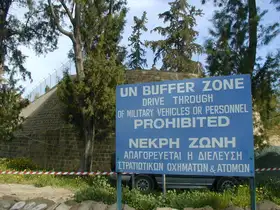
- UN buffer zone, about 180 km long, patrolled since 1974
- Bases
- Akrotiri and Dhekelia, British Sovereign Base Areas
- 1974
- Year the island was divided
- 1964
- UN peacekeepers on the island since
- 9
- Crossing points open on the Green Line
- About 2,000
- Missing persons cases from both communities
Timeline
Fifty seven moments in the island's history. Select any event to read the full story and why it mattered.
Show earlier history, 8200 BCE to 1570Hide earlier history
Ancient Cyprus
8200 to 334 BCE
Farming villages, copper mines and city kingdoms, with the island paying tribute to whichever empire was strongest.
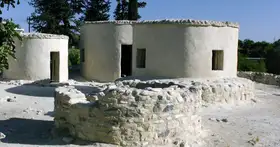
c. 8200 to 7000 BCE
First Neolithic Settlements
The earliest known permanent settlements appear in Cyprus, marking the beginning of agricultural civilisation on the island.
c. 3000 to 2500 BCE
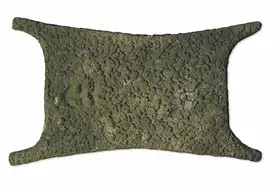
Bronze Age Copper Mining
Cyprus becomes a major source of copper in the ancient world, giving the metal (and possibly the island) its name.
c. 1200 BCE
Greek Mycenaean Settlement
Mycenaean Greeks establish settlements across Cyprus, introducing Greek language and culture that would define the island for millennia.
709 BCE
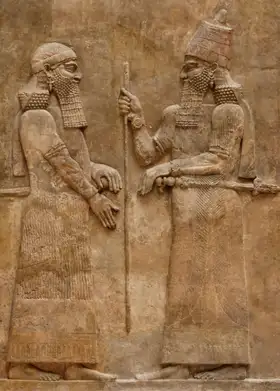
Assyrian Conquest
Cyprus comes under Assyrian rule but maintains local kingdom structure with tribute payments.
545 BCE
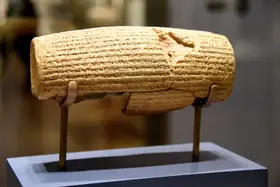
Persian Rule Begins
Cyprus becomes part of the Persian Empire under Cyrus the Great, maintaining the kingdom system while paying tribute.
Hellenistic and Roman
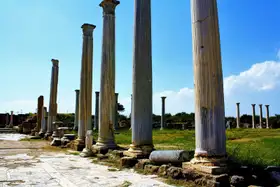
333 BCE to 329 CE
Alexander, the Ptolemies and then Rome. Christianity arrives with Paul and Barnabas.
333 BCE
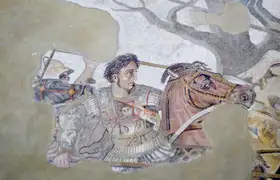
Alexander the Great's Conquest
Alexander the Great conquers Cyprus during his campaign against the Persian Empire, bringing Hellenistic influence.
294 BCE
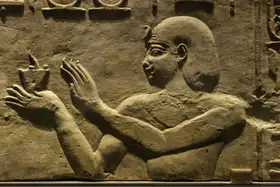
Ptolemaic Egypt Takes Control
Cyprus becomes part of Ptolemaic Egypt, ending the ancient kingdom system and establishing centralised rule.
58 BCE
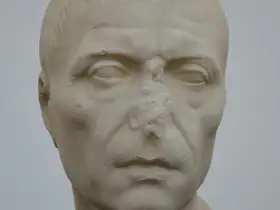
Roman Annexation
Rome annexes Cyprus, incorporating it into the Roman Empire as part of the province of Cilicia.
45 to 47 CE
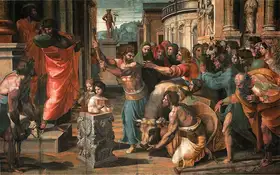
Paul and Barnabas Mission
Apostles Paul and Barnabas bring Christianity to Cyprus, converting the Roman governor and establishing the island's Christian identity.
Byzantine
330 to 1190
Seven centuries as part of the Eastern Roman Empire, interrupted by Arab raids and a long shared rule.
330 CE
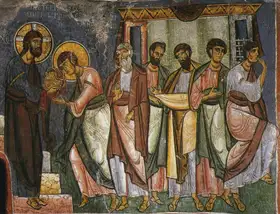
Byzantine Empire Established
Cyprus becomes part of the Byzantine Empire following the founding of Constantinople, strengthening Greek Orthodox Christianity.
488 CE
Church of Cyprus Gains Autocephaly
Emperor Zeno grants the Church of Cyprus independence (autocephaly), making the Archbishop of Cyprus autonomous from Antioch.
649 CE
First Arab Raids
Arab Muslim forces begin raiding Cyprus, initiating centuries of conflict between Muslims and Byzantines over the island.
965 CE
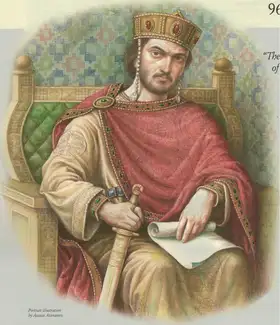
Byzantine Recovery Under Nicephorus Phocas
Emperor Nicephorus Phocas reconquers Cyprus, ending Arab occupation and restoring full Byzantine control.
Crusader and Venetian
1191 to 1570
Richard the Lionheart, the Lusignan kings and finally Venice, which fortified Nicosia and Famagusta.
6 May 1191
Richard the Lionheart Conquers Cyprus
During the Third Crusade, Richard I of England conquers Cyprus from Byzantine ruler Isaac Komnenos, ending Byzantine rule.
1192
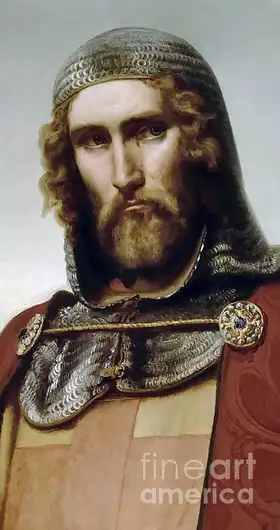
Lusignan Dynasty Established
Guy de Lusignan becomes King of Cyprus, establishing a Frankish dynasty that would rule for three centuries.
1197
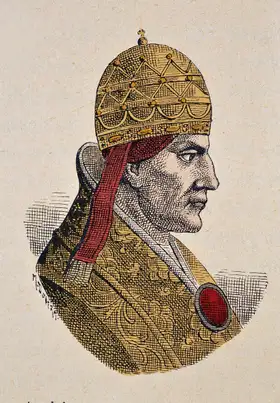
Papal Recognition of Cyprus Kingdom
Pope Celestine III recognises the Kingdom of Cyprus, legitimising Lusignan rule and establishing formal ties with Rome.
1291
Fall of Acre - Cyprus Becomes Crusader Base
After the fall of Acre, Cyprus becomes the primary base for crusader activities and receives thousands of refugees from the Holy Land.
1372 to 1464
Genoese Occupation of Famagusta
Genoa occupies Famagusta, Cyprus's main port, severely damaging the island's economy and royal authority.
7 July 1426
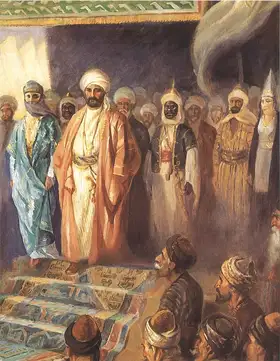
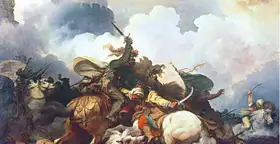
Mamluk Invasion of Cyprus
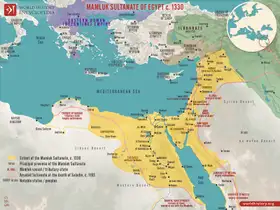
The Mamluk Sultanate invades Cyprus, capturing King Janus and forcing the kingdom to pay tribute to Cairo.
1473
Caterina Cornaro Becomes Queen
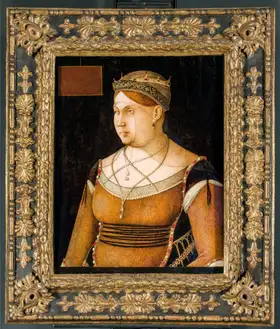
Caterina Cornaro, a Venetian noblewoman, becomes Queen of Cyprus through marriage, beginning Venetian influence over the island.
26 February 1489
Venetian Annexation
Queen Caterina Cornaro abdicates in favour of Venice, ending the Kingdom of Cyprus and beginning Venetian rule.
1540 to 1550
Venetian Fortification Programme
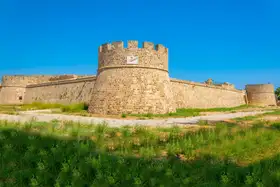
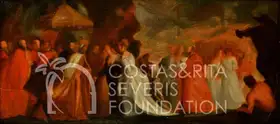
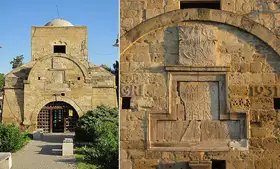
Venice begins massive fortification of Nicosia and Famagusta to defend against the growing Ottoman threat.
Ottoman rule
1571 to 1877
The Ottoman conquest brings Turkish settlement and the millet system, which shaped the two communities that exist today.
1571
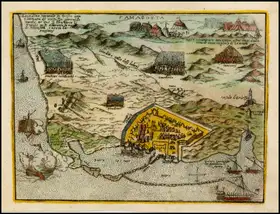
Ottoman Conquest of Cyprus
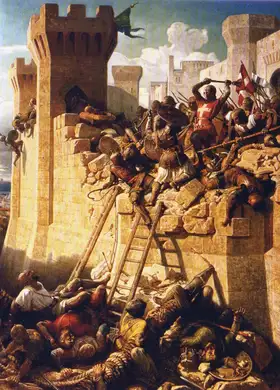
The Ottoman Empire conquers Cyprus from the Venetians after a year-long siege. This begins over 300 years of Ottoman rule.
British rule
1878 to 1959
From administration to annexation to Crown colony, ending in an armed campaign for union with Greece and a Turkish Cypriot response.
4 June 1878
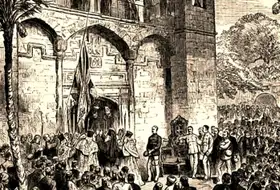
British Occupation Begins
Britain occupies Cyprus following the Congress of Berlin, though the island remains nominally under Ottoman sovereignty.
5 November 1914
British Annexation
Britain formally annexes Cyprus when the Ottoman Empire enters World War I on the side of Germany.
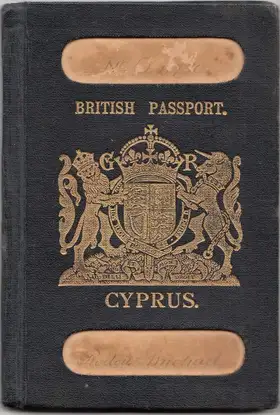
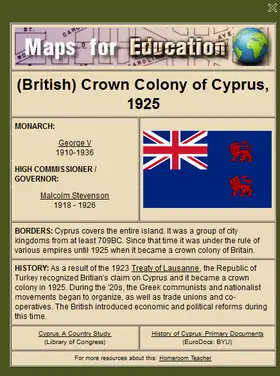
1 May 1925
Cyprus Becomes Crown Colony
Cyprus officially becomes a British Crown Colony under the Treaty of Lausanne.
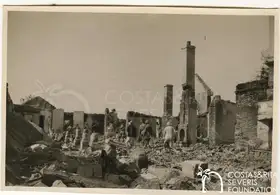
21 October 1931
October Uprising
Major Greek Cypriot uprising in Nicosia where 5,000 protesters riot and burn down Government House, demanding union with Greece (Enosis).
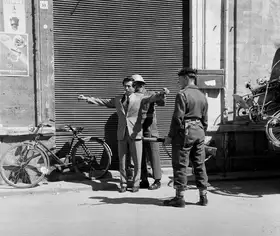
1 April 1955
EOKA Campaign Begins
The National Organisation of Cypriot Fighters (EOKA) launches guerrilla warfare against British rule, seeking Enosis (union with Greece).
9 March 1956
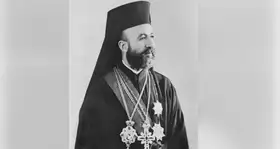
Makarios Exiled
Archbishop Makarios, leader of the Enosis movement, is deported to the Seychelles by British authorities.
1957
Turkish Resistance Movement (TMT) Founded
Turkish Cypriots establish TMT (Türk Mukavemet Teşkilatı) to counter EOKA and advocate for partition (Taksim).
Independence
1959 to 1960
The Zurich and London agreements create a bicommunal republic with Britain, Greece and Turkey as guarantors.
19 February 1959
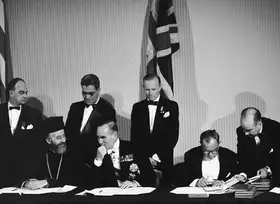
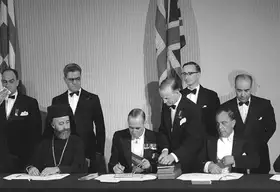
Zurich-London Agreements
Britain, Greece, and Turkey agree on Cyprus independence with power-sharing arrangements between Greek and Turkish Cypriots.
1 March 1959
Makarios Returns
Archbishop Makarios returns from exile and is elected as the first President of the Republic of Cyprus.
16 August 1960
Cyprus Independence
Cyprus gains independence with a constitution providing power-sharing between Greek and Turkish Cypriots. Britain retains sovereignty over two military bases.
Breakdown and 1974
1963 to 1974
The constitution collapses, intercommunal violence follows, and in 1974 a coup and a military intervention divide the island.
30 November 1963
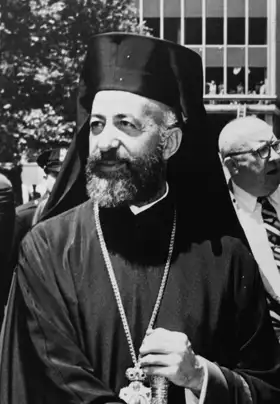
Constitutional Crisis
President Makarios proposes 13 constitutional amendments that Turkish Cypriots reject, leading to their withdrawal from government.
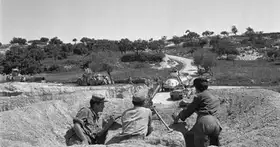
21 December 1963
Bloody Christmas
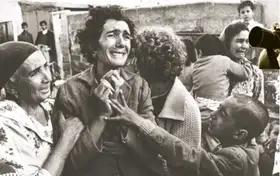
Intercommunal violence erupts across Cyprus, leading to casualties on both sides and the beginning of ethnic segregation.
4 March 1964
UN Peacekeeping Force Deployed
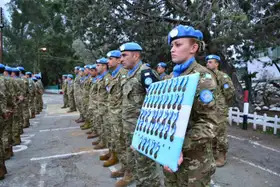
The United Nations deploys UNFICYP peacekeeping forces to Cyprus to prevent further intercommunal violence.
August 1964
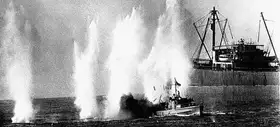
Battle of Kokkina
Turkish Air Force intervenes to support besieged Turkish Cypriot enclave, marking Turkey's direct military involvement.
15 November 1967
Kophinou Incident
Fighting between Greek and Turkish Cypriots threatens to escalate into war between Greece and Turkey.
15 July 1974
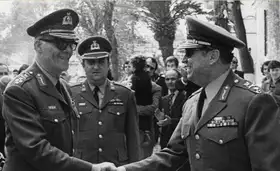
Greek Military Coup
Greek military junta orchestrates coup against President Makarios, installing Nikos Sampson as president to achieve Enosis.
20 July 1974
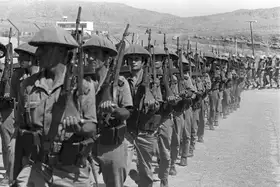
Turkish Military Intervention Begins
Turkey launches Operation Attila (known in Turkey as the Peace Operation), landing troops on the northern coast of Cyprus.
23 July 1974
Greek Junta Collapses
The military coup in Cyprus triggers the fall of the Greek military junta and restoration of civilian government in Athens.
14 to 16 August 1974
Second Turkish Offensive
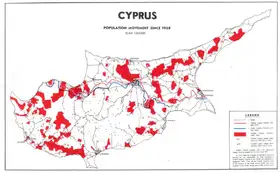
Turkey launches second phase of military operation, extending control to 37% of Cyprus territory.

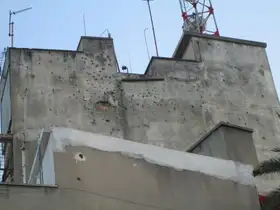
A divided island
1975 to today
Two administrations, a UN buffer zone and five decades of talks that have not yet produced a settlement.
13 February 1975
Turkish Federated State Declared
Turkish Cypriots establish the Turkish Federated State of Cyprus with Rauf Denktash as president.
3 August 1977
Makarios Dies
Archbishop Makarios dies and is succeeded by Spyros Kyprianou as President of Cyprus.
15 November 1983
TRNC Independence Declaration
Turkish Cypriots declare independence as the Turkish Republic of Northern Cyprus, recognised only by Turkey.
4 July 1990
Cyprus Applies for EU Membership
The Republic of Cyprus submits its application to join the European Community (later EU).
23 April 2003
Green Line Crossings Open
Turkish Cypriot authorities open crossing points, allowing people to cross the Green Line for the first time in 30 years.
24 April 2004
Annan Plan Referendums
Simultaneous referendums on UN reunification plan: Turkish Cypriots approve 65%-35%, Greek Cypriots reject 76%-24%.
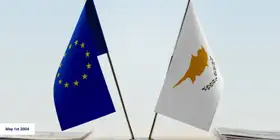
1 May 2004
Cyprus Joins European Union
Cyprus becomes EU member as a divided island, with EU law suspended in the northern part.
21 March 2008
New Reunification Talks Begin
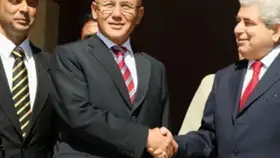
Presidents Demetris Christofias and Mehmet Ali Talat begin intensive negotiations for reunification.
June to July 2017
Crans-Montana Conference Fails
International conference in Switzerland ends without agreement on key issues including security guarantees and troop presence.
8 October 2020
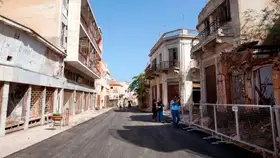
Varosha Partially Reopened
Turkey and TRNC announce partial reopening of abandoned Varosha quarter of Famagusta for settlement.
11 October 2020
Ersin Tatar Elected
Ersin Tatar wins Turkish Cypriot presidential election, advocating for 'two-state solution' based on sovereign equality.
27 to 29 April 2021
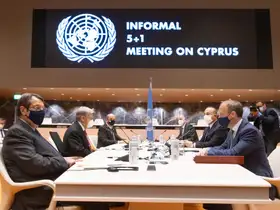
UN Geneva Talks
Informal five-party meeting confirms lack of common ground; Turkish side insists on 'sovereign equality' for future talks.
28 February 2023
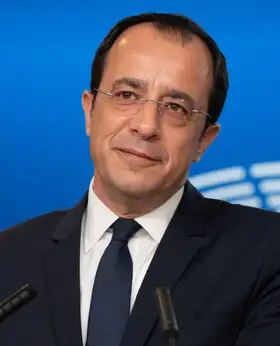
Nikos Christodoulides Elected
Nikos Christodoulides wins Cyprus presidential election, pledging renewed effort for reunification talks.
July 2024
50 Years of Division
Cyprus marks five decades since the 1974 events that led to the island's division, with no resolution in sight.
19 October 2025
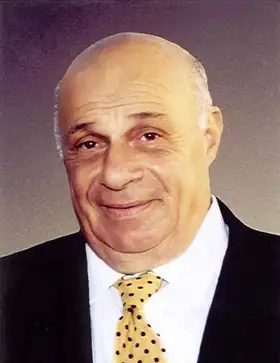
Tufan Erhürman Elected
Tufan Erhürman defeats Ersin Tatar in the Turkish Cypriot leadership election, winning around 63% of the vote.


The key issues
Six questions sit at the heart of every round of talks. Here is what each is about, and where each community has generally stood.
| Issue | Greek Cypriot position | Turkish Cypriot position |
|---|---|---|
| Governance and power sharingHow a reunited state would be run: a federation with a strong centre, or a looser arrangement between two equal parts. | A single federal state with a strong central government. | Political equality and effective participation in every institution. |
| Security and guaranteesWhether Turkish troops stay on the island and whether the 1960 guarantee system survives. | Withdrawal of all foreign troops and an end to guarantor rights. | Keep security guarantees and a Turkish presence as protection. |
| TerritoryWhere the internal boundary would run, including whether Famagusta and other areas are returned. | Significant territorial adjustments, including the return of Famagusta. | A territory large enough to sustain a viable Turkish Cypriot state. |
| PropertyWhat happens to homes and land left behind in 1974, whether by return, restitution or compensation. | The right of return and full restitution of property. | Practical limits on return, with compensation and exchange. |
| EconomyMerging two economies with different currencies, laws and relationships with the EU. | Full EU integration and a single economic space. | Gradual integration with safeguards for the smaller economy. |
| International statusWho holds sovereignty and how a settled Cyprus, or two states, would be recognised. | A single sovereignty, continuing the existing Republic of Cyprus. | Recognition of the sovereign equality of both sides. |
A divided capital
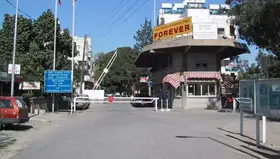
Nicosia is the last divided capital in Europe. The buffer zone runs through the old walled city, and in places is only a few metres wide.
One of the UN's longest missions
UN peacekeepers have been in Cyprus since 1964, ten years before the division, making it one of the longest running peacekeeping operations in the world.
Decades of talks
Negotiations have come close more than once, most notably with the Annan Plan in 2004 and at Crans Montana in 2017. Neither produced a settlement.
Cyprus today
The island remains divided along the UN monitored Green Line. The Republic of Cyprus, which controls the south, has been an EU member since 2004. The Turkish Republic of Northern Cyprus is recognised only by Turkey. Crossings between the two sides have been open since 2003, and people now move between them every day.
Recent developments
- 2020Part of the fenced off town of Varosha is reopened to visitors, drawing UN criticism.
- 2021Informal UN talks in Geneva end without agreement, as the Turkish Cypriot side proposes a two state solution.
- 2024Fifty years pass since the events of 1974.
- 2025Informal UN meetings resume, and in October Tufan Erhürman is elected Turkish Cypriot leader, pledging to return to talks.