21 October 1931
October Uprising
A tax dispute and demands for union with Greece bring thousands of Greek Cypriots onto the streets of Nicosia, where Government House is burned down.
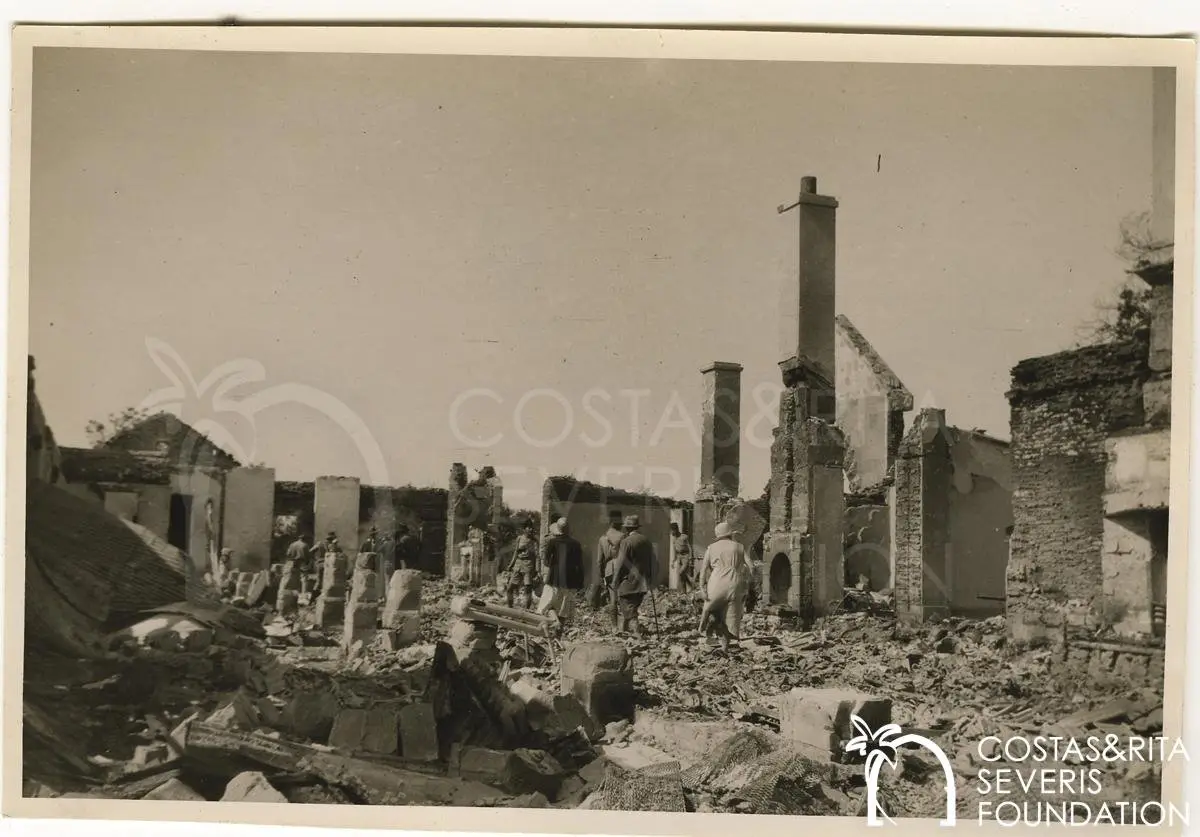
By 1931 relations between Greek Cypriot leaders and the colonial government had been souring for years. Greek Cypriots had boycotted the fiftieth anniversary of British rule in 1928, and a memorandum demanding union with Greece, known as enosis, had been rejected in 1929.
The immediate trigger was money. The colony faced a budget deficit and the government proposed higher taxes to cover it. When the Legislative Council voted against the increase in 1931, Governor Sir Ronald Storrs overrode it. The Greek Cypriot members resigned in protest. On 18 October Bishop Nikodimos of Kition called on Greek Cypriots to practise civil disobedience until their demand for enosis was met.
On the evening of 21 October a crowd of around 5,000, many of them students, priests and local notables, marched to Government House in Nicosia. After hours of stone throwing and a baton charge, police read the Riot Act and opened fire. Parts of the building were set alight, and Storrs later wrote that within minutes Government House and everything in it had gone up in flames, including his own art collection. Unrest spread across the island over the following days, and British flags were pulled down from public offices and often replaced with Greek ones. Order was restored by early November. Seven protesters were killed and around thirty wounded.
The reprisals were wide. Ten men regarded as ringleaders were exiled for life, and more than 2,600 people received prison terms or fines. The Legislative Council was abolished along with municipal elections, the Governor took over appointments of village authorities, and pro enosis propaganda, the display of foreign flags and gatherings of more than five people were banned. Newspapers faced censorship. Storrs was moved to Northern Rhodesia the following year.
The period of direct rule that followed is remembered by Greek Cypriots as the Palmerokratia, after Governor Sir Richmond Palmer, and it lasted until the Second World War. The events showed that the colonial government would not concede self rule, and that the demand for enosis could no longer be contained by a council chamber.