6 May 1191
Richard the Lionheart Conquers Cyprus
On his way to the Third Crusade, Richard I of England seizes Cyprus from its breakaway ruler Isaac Komnenos and marries Berengaria in Limassol.
By 1191 Cyprus was no longer governed from Constantinople. Isaac Komnenos, a member of the Byzantine imperial family, had arrived in 1184 or 1185 with hired troops and false imperial letters, taken control and had himself crowned emperor on the island. A Byzantine fleet sent to remove him was defeated. He ruled Cyprus as an independent state, on close terms with Saladin and with the Norman king William II of Sicily.
Richard I of England was sailing east on the Third Crusade when a storm on 24 April 1191 scattered his fleet. Several ships were wrecked on the Cypriot coast. The survivors were disarmed and held, and goods were confiscated. The ship carrying Richard’s sister Joan and his bride to be, Berengaria of Navarre, anchored off Limassol but kept its distance, wary of Isaac’s intentions.
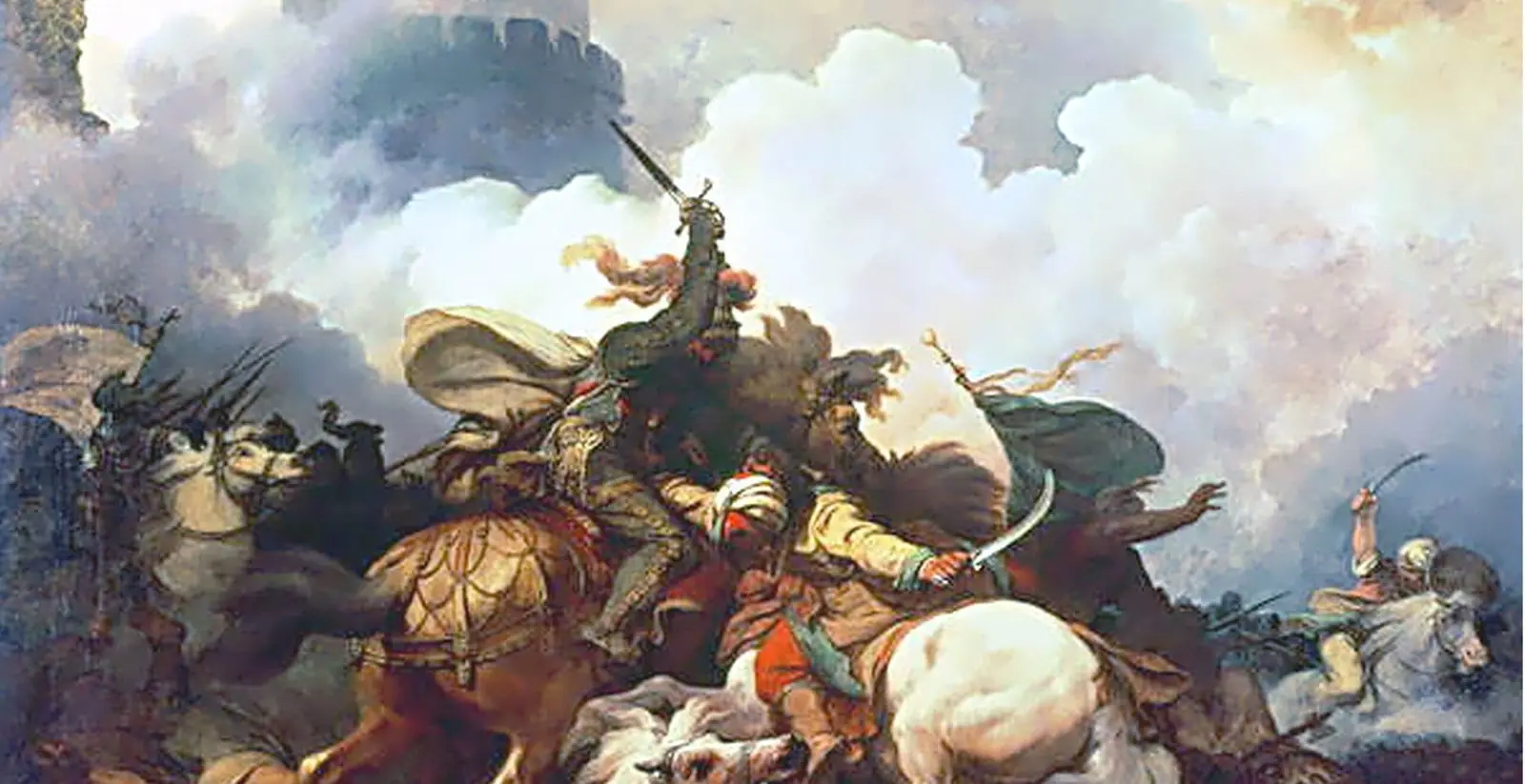
Richard reached Limassol on 6 May. When Isaac rejected his demands the next day, Richard landed his troops, drove off the defenders and took the town. On 12 May he married Berengaria in the Chapel of Saint George in Limassol, and she was crowned Queen of England there the same day. Isaac first agreed terms, then fled. Richard’s forces, with Guy de Lusignan playing a leading part, moved through the island, and Isaac surrendered on 31 May. By tradition Richard kept him in silver chains, having promised not to put him in irons.
Richard sailed for Acre on 5 June. He had no wish to govern Cyprus himself and sold it to the Knights Templar for 100,000 bezants, of which 40,000 were paid at once.
The conquest took only weeks but changed the island’s course. Cyprus passed out of the Greek Orthodox world of Constantinople and into the hands of Western, Catholic rulers. The Templars soon found the island hard to hold, and within a year it passed to Guy de Lusignan, whose family would rule for almost three hundred years.