November 1957
Turkish Resistance Organisation (TMT) Founded
Turkish Cypriots form the Turkish Resistance Organisation (TMT), an underground group backed by Turkey, to oppose union with Greece and seek partition.
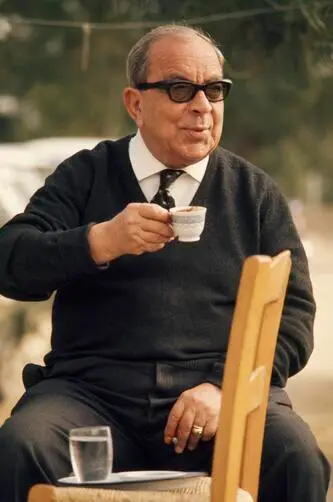
As the EOKA campaign for union with Greece gathered pace, many Turkish Cypriots feared what enosis would mean for them as a minority. Several small underground groups appeared from 1955 onwards, the best known being Volkan. None had the reach or resources to match EOKA, and the Turkish government in Ankara was increasingly drawn in.
The Türk Mukavemet Teşkilatı, or Turkish Resistance Organisation, emerged in November 1957. Accounts of the exact date differ: dates of 15, 23 and 27 November are all cited, and leaflets announcing the new organisation and the end of Volkan appeared on the night of 28 to 29 November. Rauf Denktaş later described TMT as founded by himself, Dr Burhan Nalbantoğlu and Kemal Tanrısevdi, an official at the Turkish consulate. Other accounts give a larger role to Turkish army officers. The organisation had the secret backing of the Turkish government, and its funding and training came from Turkey. On 1 August 1958 Colonel Rıza Vuruşkan and other Turkish officers arrived to take over its military command. In the Turkish Republic of Northern Cyprus, recognised only by Turkey, 1 August is marked each year as Communal Resistance Day.
Dr Fazıl Küçük, the community’s recognised political leader, is sometimes named as TMT’s leader, but Denktaş said the organisation was kept secret from Küçük at first. The two men did work together with Ankara: in January 1958 they flew to the Turkish capital to meet Foreign Minister Fatin Rüştü Zorlu.
TMT’s stated purpose was to defend Turkish Cypriots and resist enosis, and its political aim was taksim, the partition of the island between Turkey and Greece. It enforced discipline within the community too. In 1958 it attacked Turkish Cypriots who belonged to mixed trade unions or opposed its line, and several were killed.
Turkish Cypriots commemorate TMT as the force that organised and protected the community at a dangerous time. Many Greek Cypriots see it as the instrument through which Turkey pursued partition. From 1958 the island had two armed movements with opposite goals, and the space for the communities to live side by side was shrinking.