2 August 1975
Third Vienna Agreement
At UN talks in Vienna, Clerides and Denktaş agree that Turkish Cypriots in the south may move north and that Greek Cypriots in the north are free to stay.
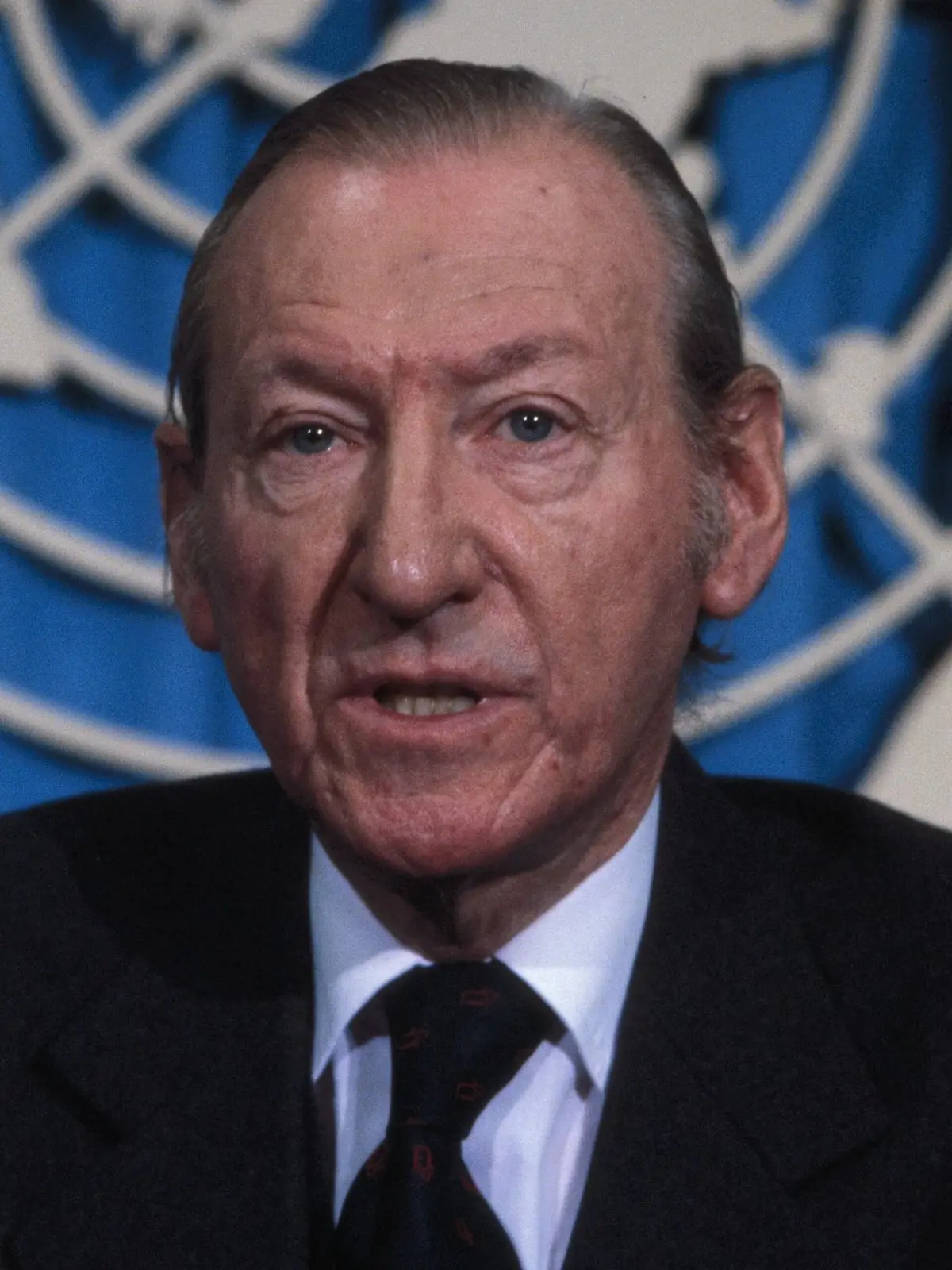
A year after the fighting of 1974, thousands of people still lived on the side of the ceasefire line where their community was now a small minority. Turkish Cypriots remained in villages in the south, and Greek Cypriots were still living in the north. Under Security Council Resolution 367, UN Secretary General Kurt Waldheim brought the two community negotiators, Glafcos Clerides and Rauf Denktaş, together in Vienna. The first round met from 28 April to 3 May 1975.
The third round ran from 31 July to 2 August 1975. Its communiqué set out five humanitarian points. Turkish Cypriots in the south could, if they wished, move north with their belongings under an organised programme run with the help of UNFICYP, the UN peacekeeping force. Denktaş reaffirmed that Greek Cypriots in the north were free to stay and would be helped to lead a normal life, with schools, freedom of worship, medical care from their own doctors and freedom of movement in the north. Those who asked to move south, without any pressure, could do so. UNFICYP was to have free access to their villages, and reuniting families was given priority.
Over the following weeks most of the Turkish Cypriots still in the south moved north with UNFICYP help, a process the Secretary General reported on in September 1975.
How the agreement is remembered depends on who is asked. The Turkish Cypriot side calls it the voluntary exchange of populations agreement and sees it as the basis for two separate zones. The Greek Cypriot side points out that the word exchange appears nowhere in the text and that Greek Cypriots in the north were promised the right to remain. As early as January 1976 the Republic of Cyprus complained to the UN that Greek Cypriots in the north were being harassed and pushed out in breach of the deal.
The numbers tell part of that story. Greek government figures put the enclaved Greek Cypriots at about 20,000 in 1974; today fewer than 500 remain, mainly in Rizokarpaso (Dipkarpaz) and nearby villages of the Karpas peninsula. The European Court of Human Rights has since ruled on their treatment, and in 2014 ordered Turkey to pay €60 million in damages to the enclaved.
Sources and further reading
- Republic of Cyprus Press and Information Office: The Third Vienna Agreement (2 August 1975)
- United Nations: Letter from the Permanent Representative of Cyprus, S/11952 (29 January 1976)
- TRNC Ministry of Foreign Affairs: Relations with the United Nations
- Hellenic Ministry of Foreign Affairs: The enclaved