1754
Archbishop Recognised as Community Leader
An Ottoman decree names the Orthodox Archbishop and bishops of Cyprus as official representatives of the island's Christians and makes them collect taxes.
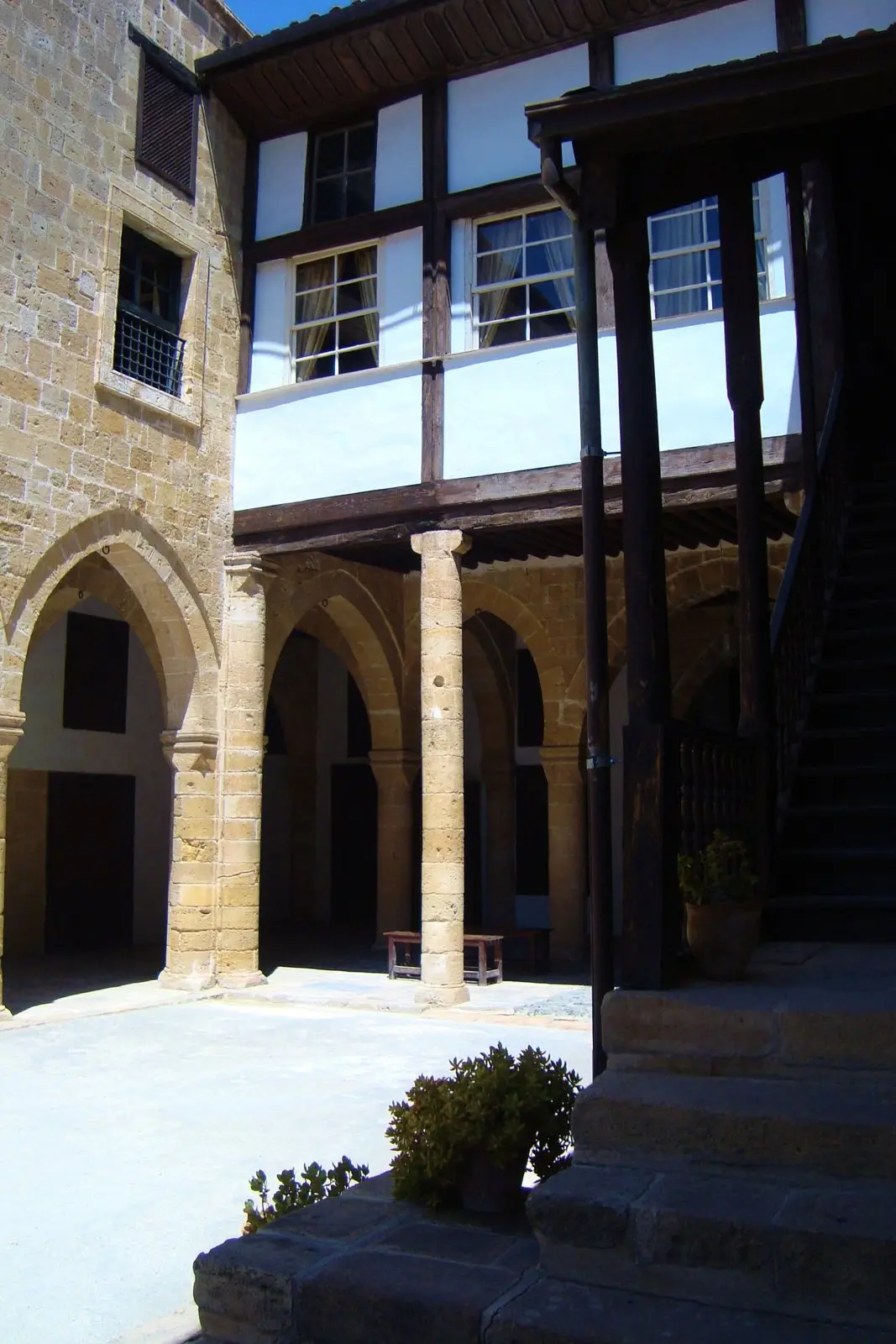
After the conquest of 1571 the Ottomans governed subjects of other faiths largely through their religious leaders. In Cyprus that meant the Greek Orthodox Church, whose archbishop and three bishops had been allowed back after the Latin hierarchy was removed. For most of the following century, though, the bishops held only limited, informal standing with the provincial government.
Their position grew in stages. Accounts of the period describe the archbishop being treated as an official representative of the Greek Cypriots from about 1660, with a right of direct access to the Sultan’s court in Istanbul. The decisive step came in 1754. A decree issued under the Grand Vizier Köse Bahir Mustafa Pasha named the archbishop and bishops as kocabaşı, guardians and representatives of the island’s Orthodox Christians, and confirmed their right to petition the Sublime Porte directly.
The decree came with real duties. The clergy were made responsible for collecting the taxes owed by Orthodox subjects, which meant drawing up censuses and deciding how much each household should pay. Working alongside them was the dragoman, an official usually chosen by the bishops and notables, who handled the paperwork of assessment. By the late eighteenth century the archbishop and the dragoman were among the most powerful figures on the island.
The system also had its critics. A study in Belleten, the journal of the Turkish Historical Society, notes that the community’s representatives, dragomans included, sometimes falsified censuses and made exactions of their own. It also tied the Church’s fortunes closely to the provincial governors, a relationship that could turn hostile, as it did in 1821.
The result was lasting. The archbishop became the recognised head of the Orthodox community in political as well as religious matters, a role Greek Cypriots later called that of the ethnarch, or leader of the nation. When Britain arrived in 1878, and later when Makarios III led the campaign for union with Greece, the archbishop was still the leading political voice of Greek Cypriots.
Sources and further reading
- Belleten (Turkish Historical Society): An Aspect of History of Muslims and Non-Muslims in the Late 18th Century Ottoman Province of Cyprus
- Library of Congress Country Studies: Cyprus, Ottoman Rule
- Cyprus Tour: The Ottomans (1571 to 1878)
- Cyprus Travels: The administration of Cyprus during the Ottoman Rule