330 CE
The Byzantine Era Begins
Already Roman since 58 BCE, Cyprus falls under the new eastern capital of Constantinople and rebuilds Salamis as Constantia, its Christian capital.
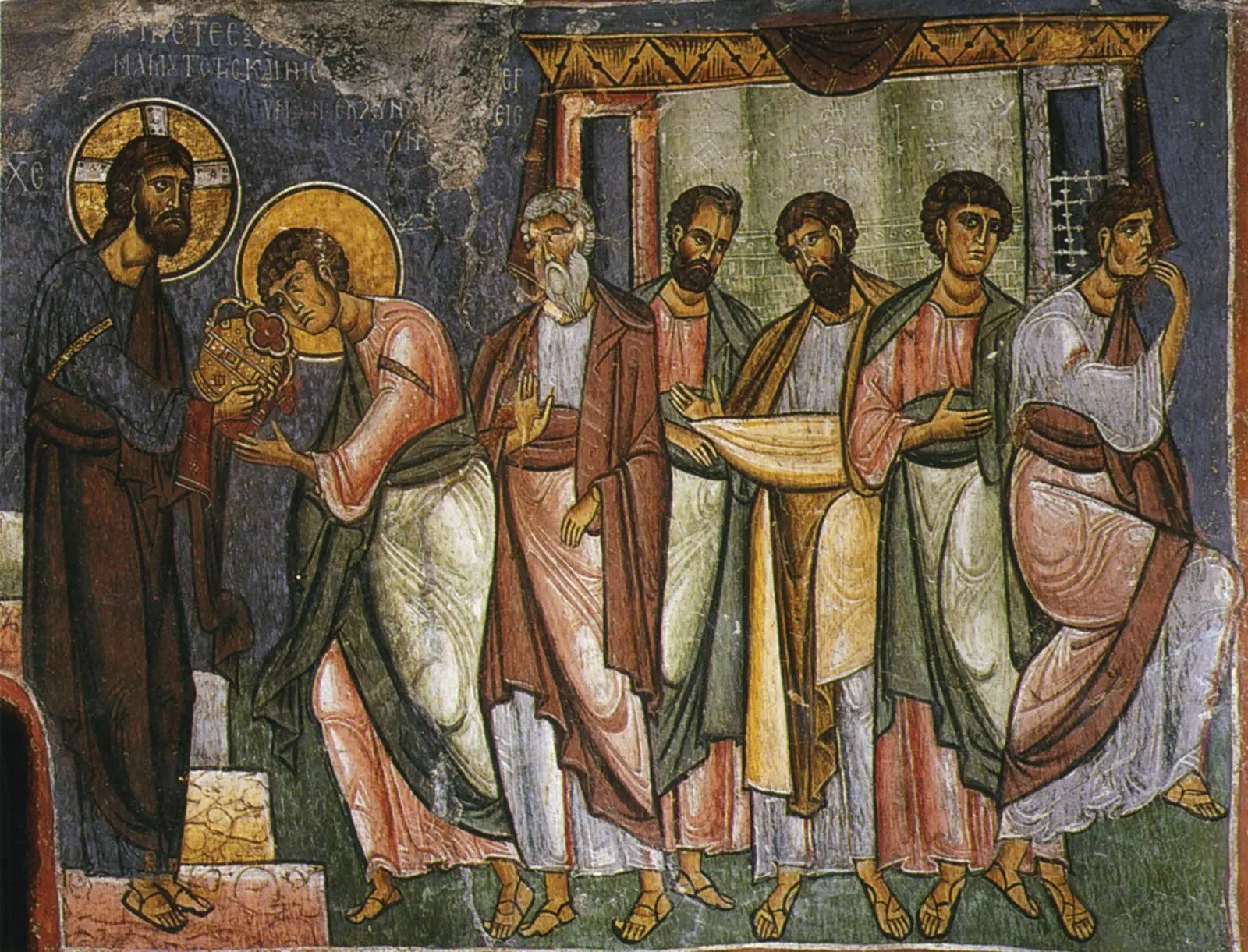
Cyprus did not join a new empire in 330. It had been Roman since 58 BCE, when Marcus Porcius Cato brought the island under Rome’s control. What changed in the fourth century was where power sat. When Constantine the Great made Constantinople the capital of the eastern half of the Roman world, Cyprus found itself looking towards a Greek speaking, increasingly Christian centre close at hand rather than towards Rome. Historians use 330, the year Constantinople was inaugurated, as a convenient starting point for what is now called the Byzantine period.
The island was already part of that Christian world. Cypriot bishops attended the First Ecumenical Council at Nicaea in 325, and church tradition credits the apostles Paul and Barnabas with bringing the faith to Cyprus three centuries earlier.
Then came disaster. Powerful earthquakes in 332 and 342 wrecked many of the island’s cities. Most were never fully rebuilt. Salamis, on the east coast, was restored on a smaller scale with help from Emperor Constantius II (who reigned from 337 to 361) and renamed Constantia in his honour. It became the capital of Cyprus and the seat of its leading bishop. Epiphanius, one of the best known Christian writers of the age, served there as bishop, and large basilicas rose in the rebuilt city.
For administration, Cyprus was tied to Antioch in Syria, part of the wider Diocese of the East. When the Roman Empire was finally divided between east and west in 395, the island stayed firmly in the eastern half, the state later called the Byzantine Empire.
These centuries left a lasting mark. Greek language, Orthodox Christianity and close links with Constantinople became the core of Cypriot life, and the church grew into the island’s most important institution. That inheritance would outlast Byzantine rule itself, surviving Arab raids, crusader kings, Venetian governors and Ottoman administration.