488 CE
Church of Cyprus Gains Autocephaly
After relics of Saint Barnabas are found, Emperor Zeno confirms the Church of Cyprus as independent of Antioch and grants its archbishop imperial honours.
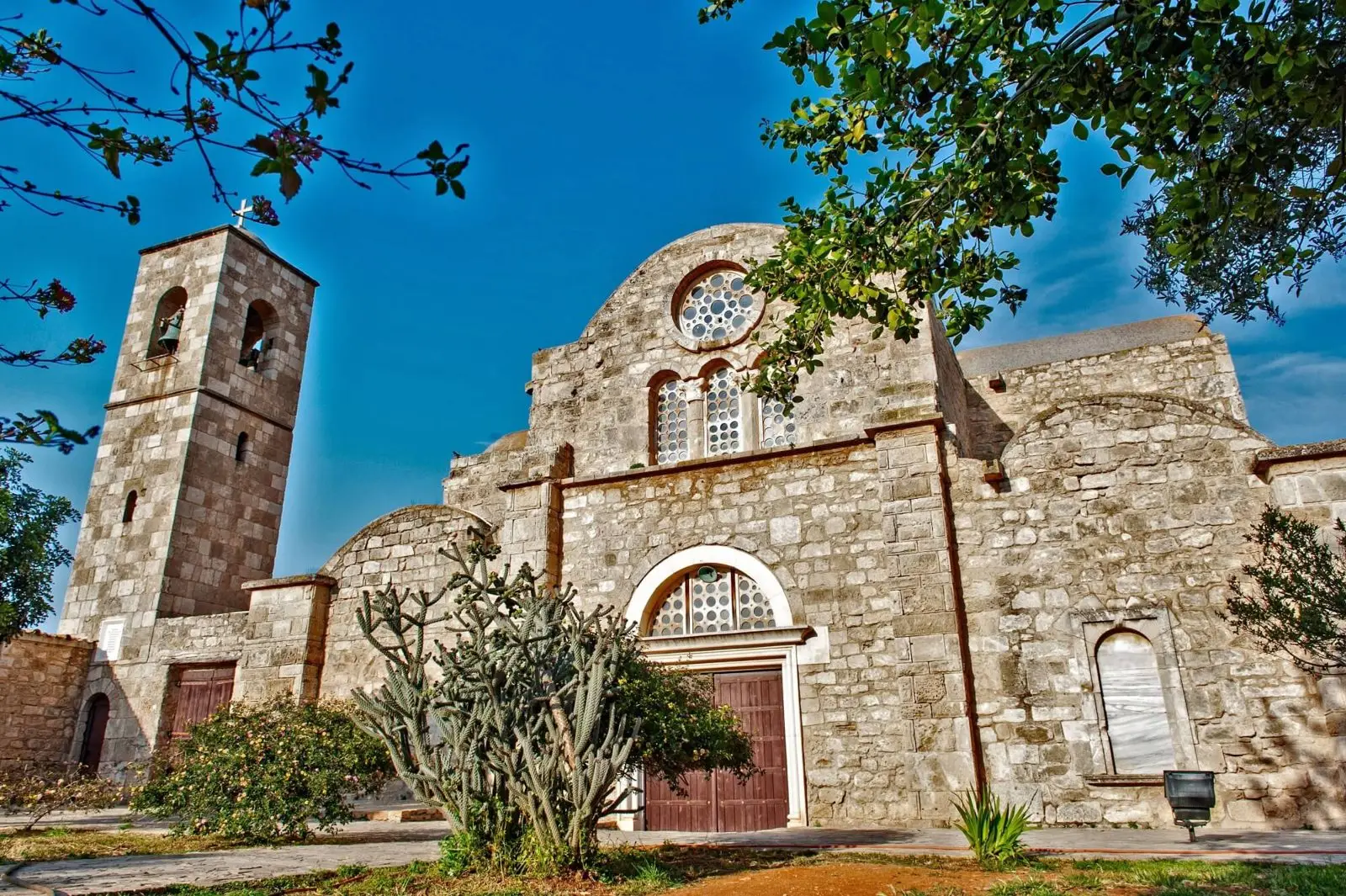
In the early Christian centuries the bishops of Cyprus faced a persistent challenge from the Patriarch of Antioch, who claimed the right to oversee the island’s church and consecrate its bishops. Cypriot clergy resisted. At the Council of Ephesus in 431 they won a ruling that, if Antioch had never traditionally ordained bishops in Cyprus, the Cypriot prelates should keep the right to choose their own, free from interference. That decision helped, but the dispute did not fully go away.
The matter was settled under Archbishop Anthemios. According to church tradition he was guided by a vision to a tomb near Constantia (Salamis) containing the remains of the apostle Barnabas, a Cypriot by birth, with a copy of the Gospel of Matthew resting on his chest. An apostolic founder was powerful evidence that the Cypriot church owed its origins to no one else. Anthemios took the relics, or the news of them, to Emperor Zeno, who reigned from 474 to 491.
Zeno confirmed the full independence of the Church of Cyprus. The date is usually given as 488, although some sources place it in 478. The emperor also granted the archbishop three privileges normally associated with the imperial court: wearing a purple or red cloak, carrying an imperial sceptre instead of a pastoral staff, and signing documents in red ink made with cinnabar. Archbishops of Cyprus still use these honours today.
A basilica was built at the site of the tomb. The present Monastery of Saint Barnabas, near ancient Salamis in the Famagusta district, dates from the eighteenth century and now houses an icon museum.
The ruling made Cyprus one of the oldest self governing churches in the Orthodox world. Over the following centuries, especially under foreign rulers who did not share the Orthodox faith, the archbishop came to be seen as the natural leader of the Greek Cypriot community, a role with consequences that reach well into the twentieth century.