58 BCE
Roman Annexation
A Roman law of 58 BCE annexes Cyprus from its last Ptolemaic king. Cato the Younger is sent to take over the island and its treasury.
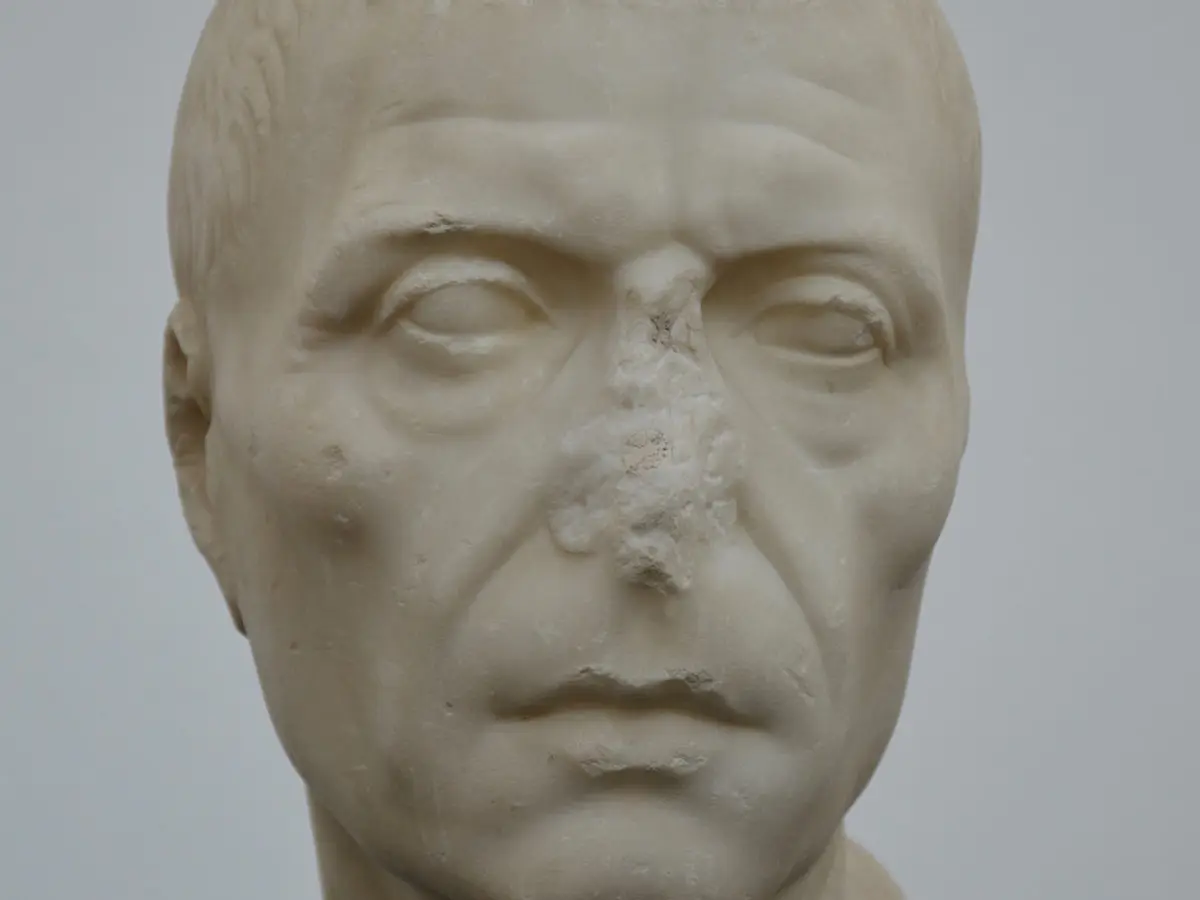
By the 1st century BCE Rome dominated the eastern Mediterranean, and the Ptolemaic dynasty survived largely on Roman goodwill. Cyprus was then ruled by a junior member of the family, known to historians as Ptolemy of Cyprus, a brother of the Egyptian king Ptolemy XII.
The end came through Roman politics rather than war. The Roman politician Publius Clodius Pulcher had once been kidnapped by Cilician pirates, and Ptolemy of Cyprus had refused to help pay his ransom. In 58 BCE Clodius, now a tribune, pushed a law through the plebeian assembly, the lex Clodia de Cypro, that annexed the island. Clodius justified it by accusing the king of colluding with the pirates.
Cato the Younger was given the job of taking over, and there was no fighting. Ptolemy was offered the post of high priest at Paphos instead of his throne, but he chose to take his own life. Cato then sold off much of the royal property and sent about 7,000 talents back to Rome. Cyprus was attached to the existing Roman province of Cilicia on the mainland. One of its governors, the orator Cicero, who ran Cilicia in 51 to 50 BCE, was known for treating the Cypriots fairly.
Roman control was not yet settled. In 47 BCE Julius Caesar handed Cyprus back to the Ptolemies, and Mark Antony later confirmed Cleopatra’s rule there. Only after Octavian’s victory at Actium in 31 BCE did the island return to Rome for good. In 22 BCE it became a separate senatorial province, governed by a proconsul from Nea Paphos and with no standing army.
Roman Cyprus was largely peaceful. Roads were built across the island, and milestones record imperial involvement, though Rome founded no colonies there. Cities suffered repeated earthquakes. Paphos was rebuilt after a quake around 15 BCE and renamed Augusta, and the emperors Trajan and Hadrian later paid to restore public buildings at Salamis.