294 BCE
Ptolemaic Egypt Takes Control
After years of war among Alexander's successors, Ptolemy I secures Cyprus in 294 BCE. Egypt rules the island for over two centuries.
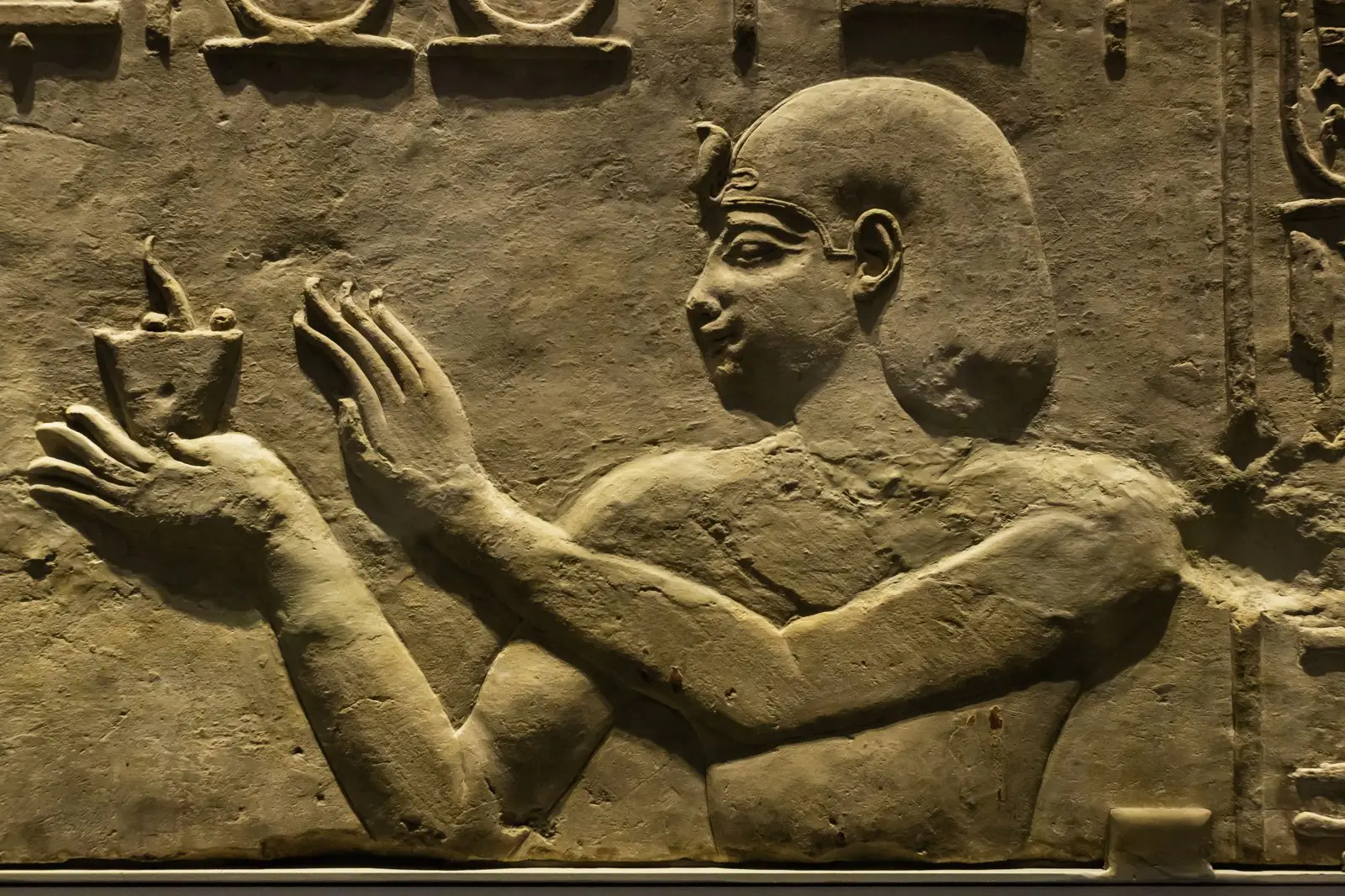
Alexander the Great died in 323 BCE without a clear successor, and his generals spent the next forty years fighting over his empire. Cyprus lay between two of the strongest of them: Ptolemy, who held Egypt, and Antigonus, who controlled much of Asia Minor and Syria. The island’s kings had to pick sides, and some backed Antigonus.
Ptolemy answered with force. Kition was besieged in 315 BCE, and in 312 BCE Ptolemy landed with a larger army. The king of Kition was captured and killed, the pro Antigonid kings of Marion and Lapithos were arrested, and Marion was destroyed. Nicocles of Paphos, besieged in his city, was forced to take his own life and his family was put to death. Ptolemy made Nicocreon of Salamis chief general of Cyprus and did away with most of the old kingdoms.
The island changed hands once more before Ptolemy kept it. In 306 BCE Antigonus’s son Demetrius landed on the Karpas peninsula and defeated Ptolemy’s fleet off Salamis, and for about twelve years Cyprus was in Antigonid hands. Ptolemy recovered it in 294 BCE, and his dynasty held it, with short interruptions, until 58 BCE.
Under the Ptolemies, Cyprus was governed from Alexandria through a governor known as the strategos. The independent city kingdoms, some of which had existed for six or seven centuries, were gone for good. Historians date their final end to somewhere between 294 and 258 BCE. Cypriot life became part of the wider Hellenistic world centred on Alexandria.
A new city rose in importance. Nea Paphos, founded around 300 BCE as a harbour on the sea route between Rhodes and Alexandria, became the capital of Cyprus and the seat of the strategos from the 2nd century BCE. It would remain the island’s capital well into the Roman period. In the later years of the dynasty Cyprus was sometimes run as a minor Ptolemaic kingdom by younger members of the royal family, the last of whom would lose it to Rome.